Channel evolution models and where to send the resurvey crew first
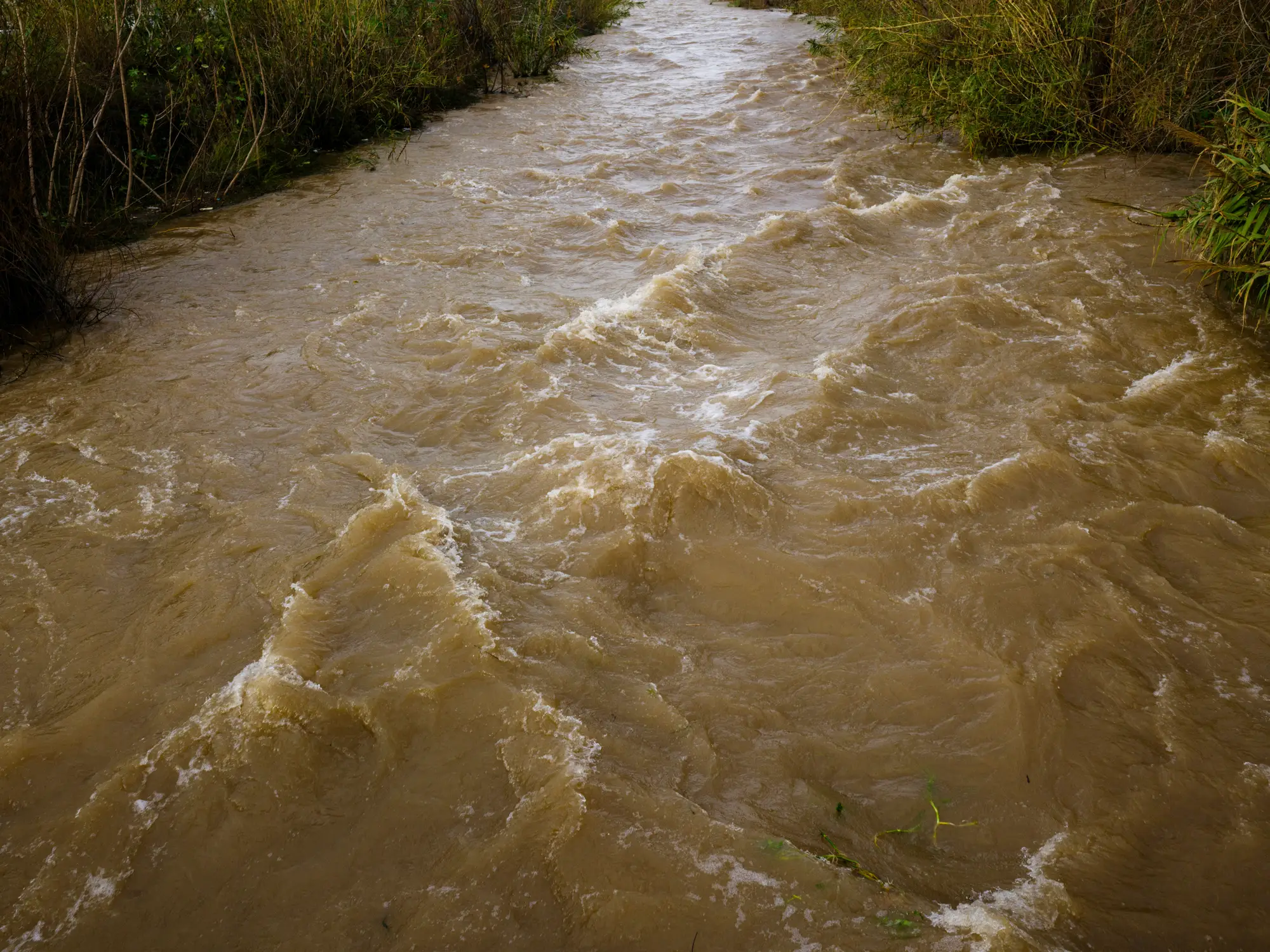
A channel evolution model is a sequence of stages a disturbed channel moves through as it works back toward some kind of equilibrium. Simon and Hupp's version, built from incised streams in west Tennessee, is still the one most of us reach for: pre-modification, construction or disturbance, degradation, degradation with widening, aggradation with widening, and finally a quasi-equilibrium stage where the channel has built a new floodplain inside its old banks. It was developed for channelized streams, but the framing holds for any reach that's been pushed out of adjustment, whether by a dam, a straightening project, or a flood big enough to reset the bed.
The reason this matters outside a classroom is that the stage a reach sits in tells you what kind of response to expect from the next high flow, and that's exactly the information you need when you're triaging a flood-damage list with limited crew hours.
Why stage matters more than peak discharge
Two reaches can see the same peak flow and come out completely differently. Stage III (degradation, incising, banks still roughly vertical but not yet failing) is primed for headcut migration and bed lowering on the next event, even a moderate one, because the channel hasn't found a new base level yet. Stage V (aggrading, widening, bars building) deposits under that same flow, so the risk shifts to burial of infrastructure or loss of conveyance rather than toe failure. Quasi-equilibrium reaches can often absorb a flood of similar magnitude with only cosmetic change.
So when a flood passes through a watershed with reaches sitting at different points on that curve, the damage isn't going to be proportional to drainage area or rainfall depth. It's going to cluster wherever the pre-flood stage made the channel most sensitive. That's the logic behind using channel evolution stage, not just flood magnitude, as an input to resurvey priority.
Building a post-flood channel assessment around stage
A post-flood channel assessment that starts from channel evolution staging usually asks three things, reach by reach: what stage was this one in before the event, what does the channel look like now, and does the difference suggest a stage jump or just movement within the same stage. One that was degrading and now shows a wider, flatter cross-section has likely jumped into widening. That's worth a field crew's time regardless of how much rain fell on it specifically.
The problem, as anyone who has tried to run this kind of triage after a regional storm knows, is getting the "what does it look like now" part fast enough to matter. Walking or boating every reach on the priority list before deciding which ones need instrumented resurvey can eat the two or three weeks when bank conditions are still fresh and before the next event resets the record again.
This is where a before/after comparison pulled from satellite imagery earns its keep as a first pass. It won't tell you shear stress or give you a cross-section, but it will show you channel outline shift, new bar formation, and how far a sediment plume ran into the receiving water, which is often enough to tell a Stage III reach that just incised further from a Stage V reach that just buried a riffle. That's the sorting step before the sorting step; it tells you where the boat survey actually needs to go. River Morphology builds exactly that paired before/after view, on demand, after a flow event large enough to warrant a look.
When to resurvey a reach
As a rule of thumb, a reach is worth a ground resurvey when the post-flood imagery shows a visible planform change (new cut bank, avulsion, bar that wasn't there before), when a reach already flagged as actively evolving shows any change at all, or when infrastructure sits within one channel width of a reach that moved. Reaches that show no outline change and were already in quasi-equilibrium can usually wait for the next scheduled survey cycle. That triage alone is often the difference between a crew that spends three weeks confirming nothing changed and a crew that gets to the two reaches that did.